Mother Tongue
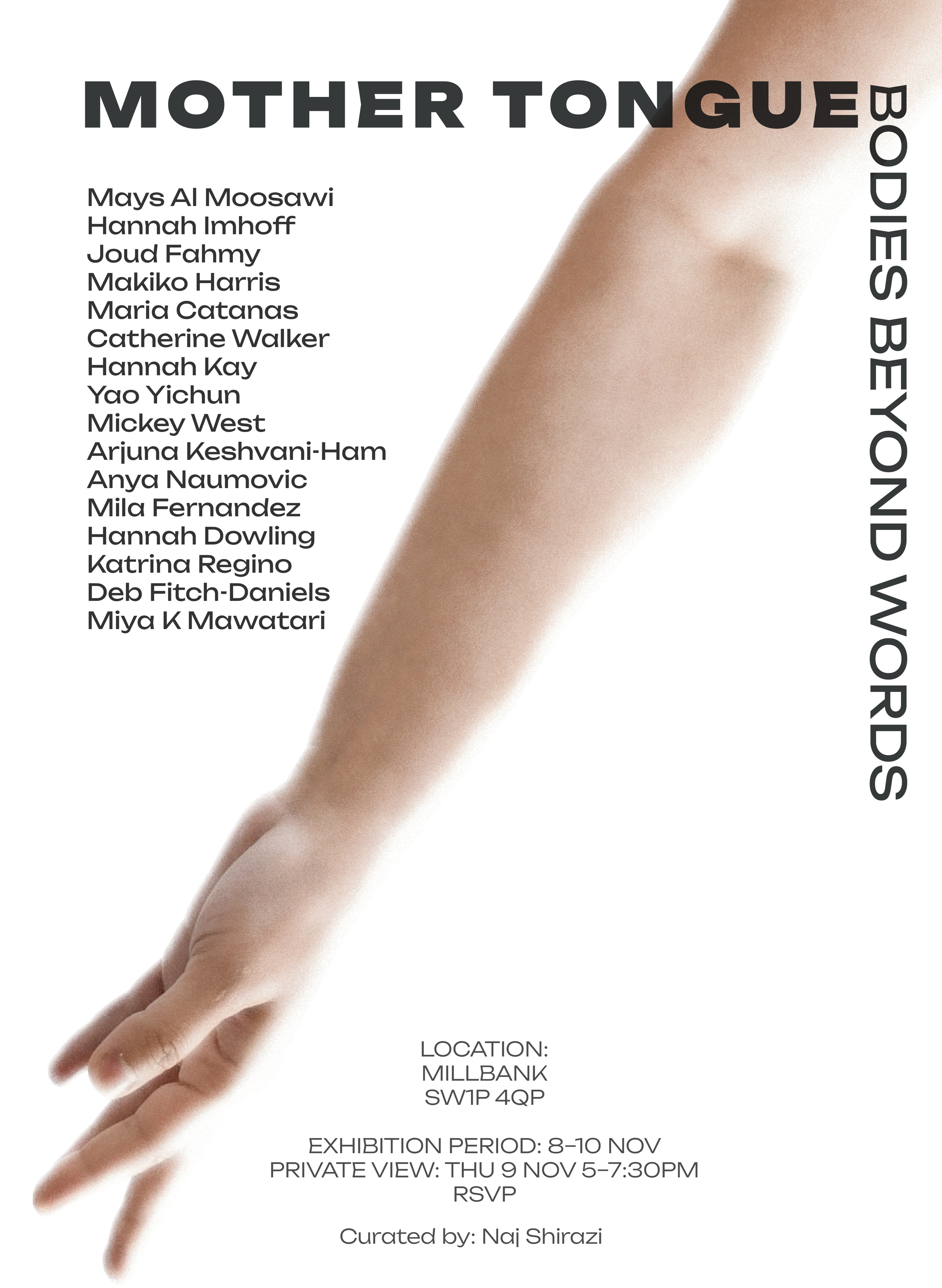
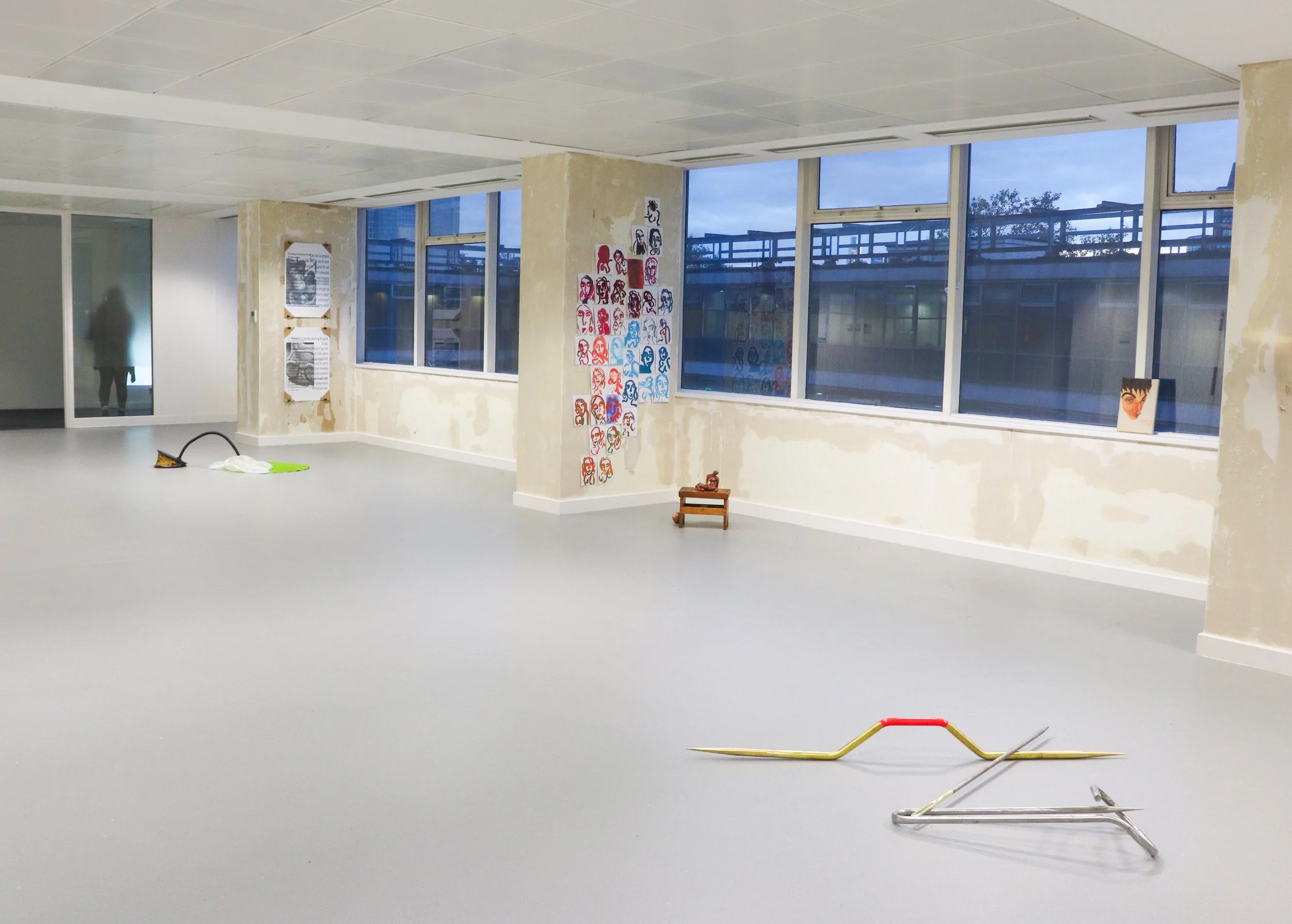
Mother Tongue: Bodies Beyond Words explores language from a feminist perspective, delving into its profound connection to the female body. Mother Tongue presents a group show pairing women artists from University of the Arts London, Royal College of Arts and contemporary emerging artists based in London.
Language is a potent tool that both mirrors and forms our perceptions of the world including the female body. Just as language constructs complex meanings with words, bodies, too, are constructed; instead of words, they are constructed by society through power dynamics. In this exhibition, the body is activated and takes centre stage in a way that creates a new language that is not bound by the structures of patriarchal society, a poetic language in which multiple meanings prevail.
Featuring a diverse range of works across the media of painting, sculpture, photography, video, text, printmaking, textile, performance and sound. The exhibtion invites viewers to participate in a multi-faceted dialogue that goes beyond spoken or written words, encouraging a new contemplation of the relationship between language and the body, in doing so, inspires us to reimagine and redefine our ‘mother tongue’.
Mother Tongue: Bodies Beyond Words
London, 2023
-
Mays Al Moosawi
Hannah Imhoff
Joud Fahmy
Makiko Harris
Maria Catanas
Catherine Walker
Hannah Kay
Yao Yichun
Mickey West
Arjuna Keshvani-Ham
Anya Naumovic
Mila Fernandez
Hannah Dowling
Katrina Regino
Deb Fitch-Daniels
Miya K Mawatari
Curated by: Naj Shirazi
-
![]()
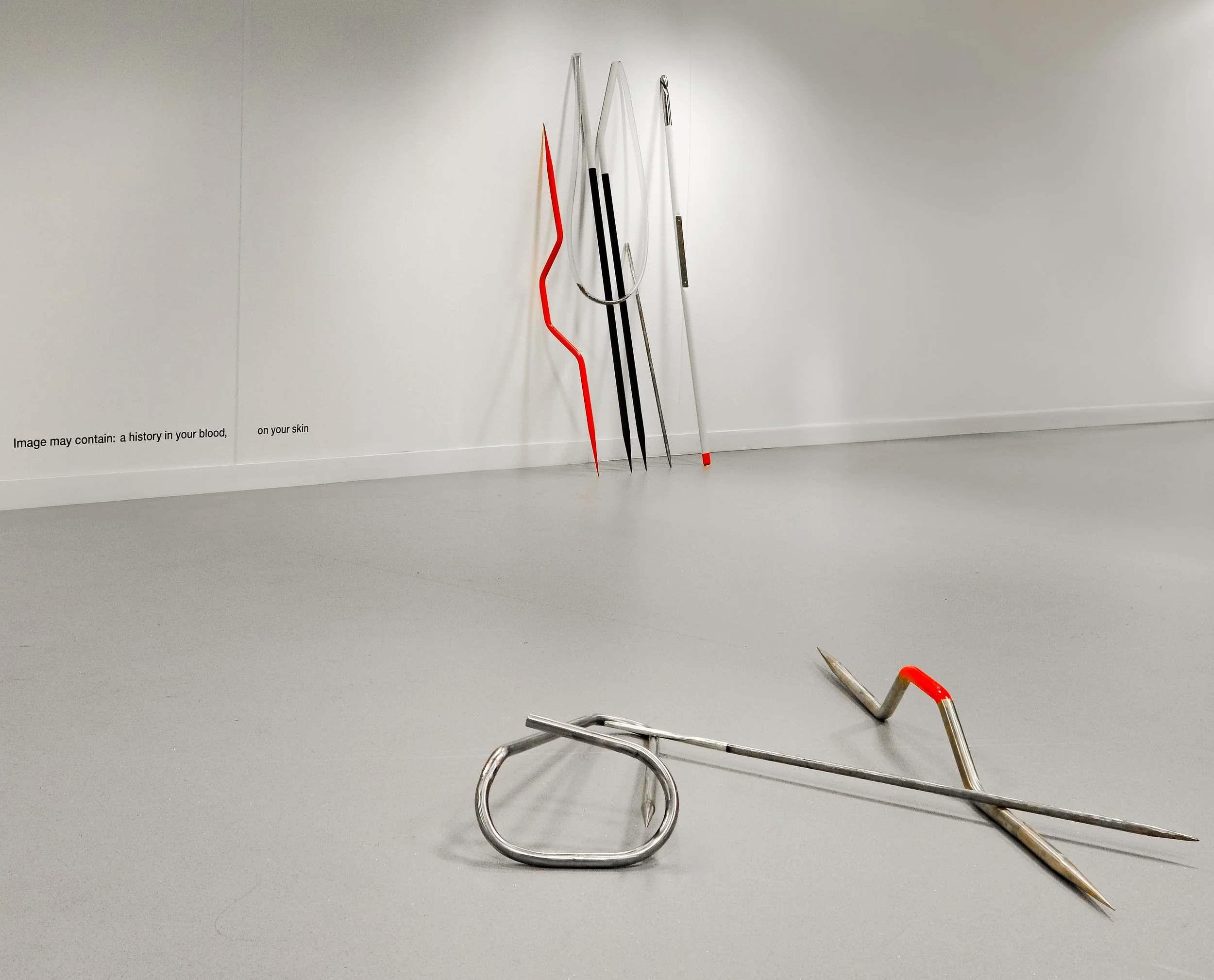
Makiko Harris
Needle Series, brass and steel, 2023
-
![]()
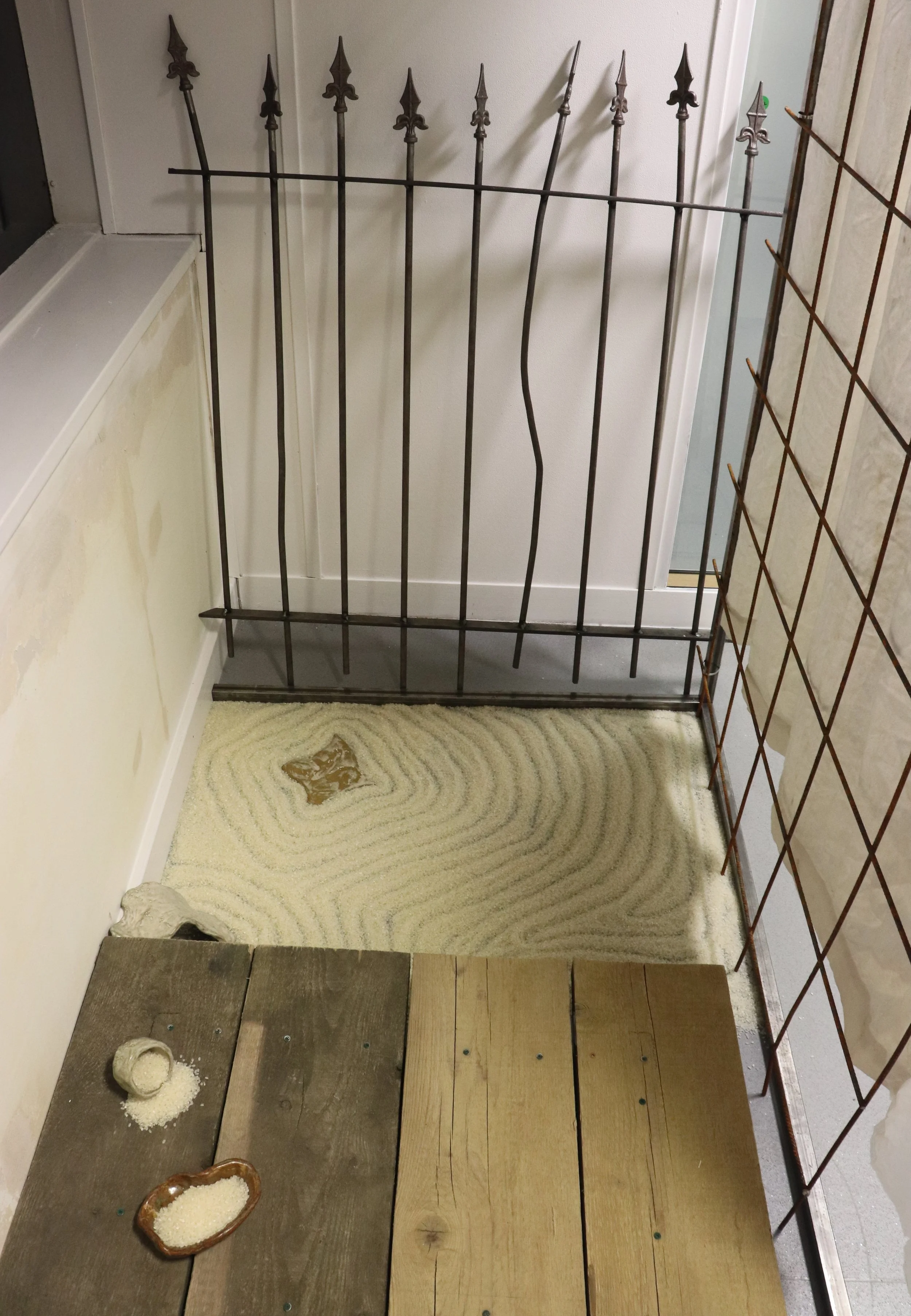
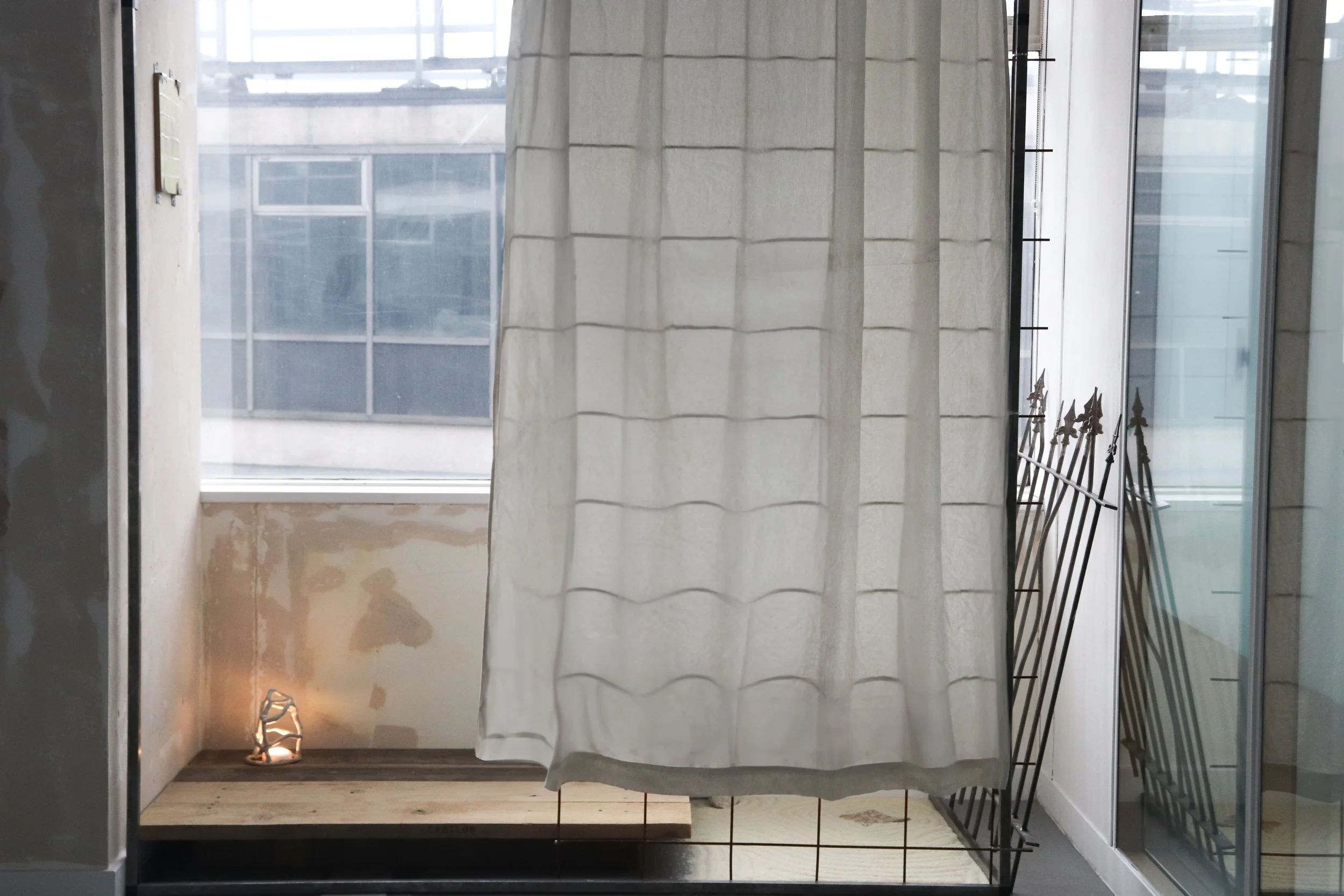
Miya K Mawatari
Genkan, multi-media installation, steel, glazed ceramic, fabric, Rice, 2023
-
![]()
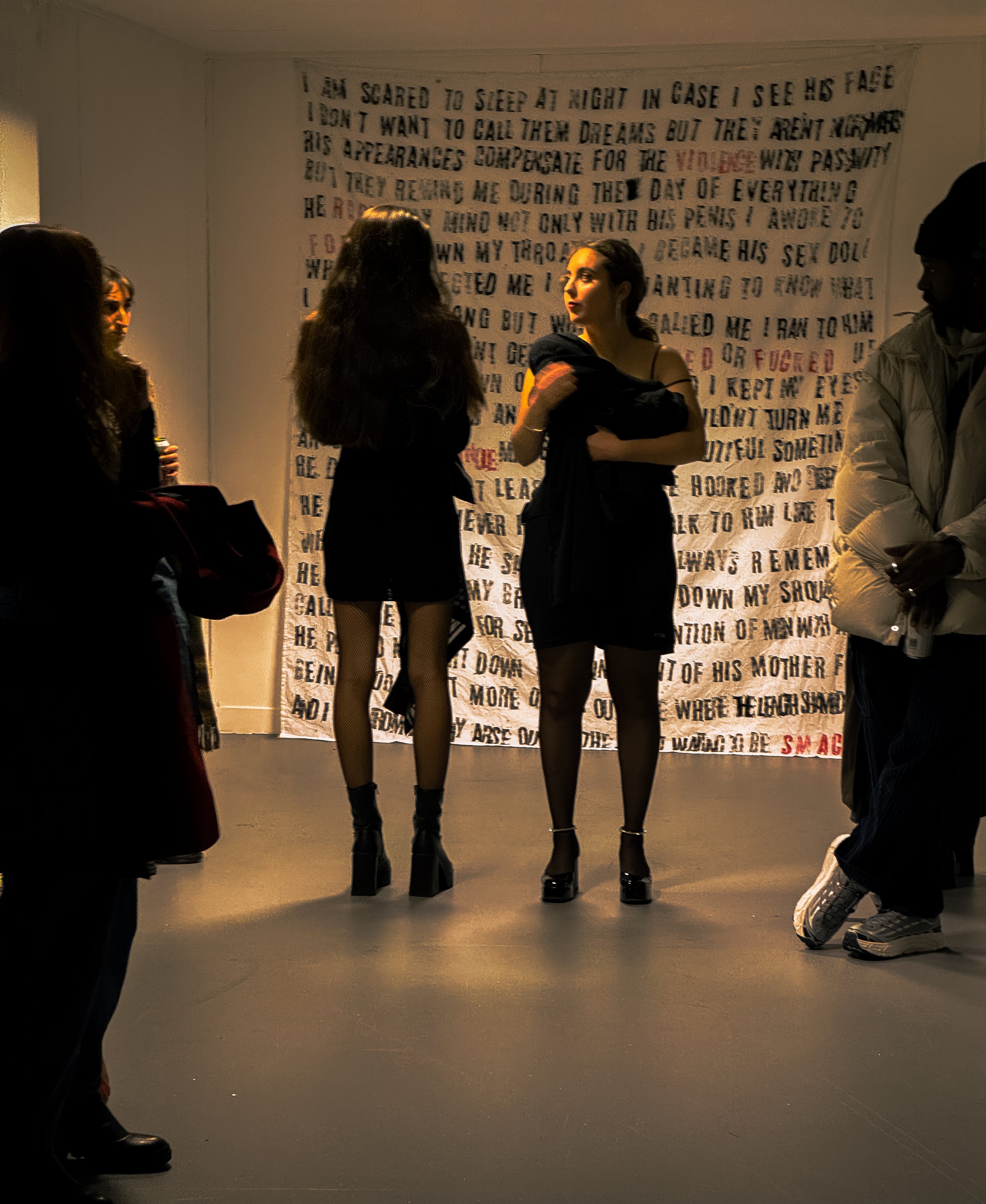
Mother Tongue: Bodies Beyond Words
Installation view
-
![]()
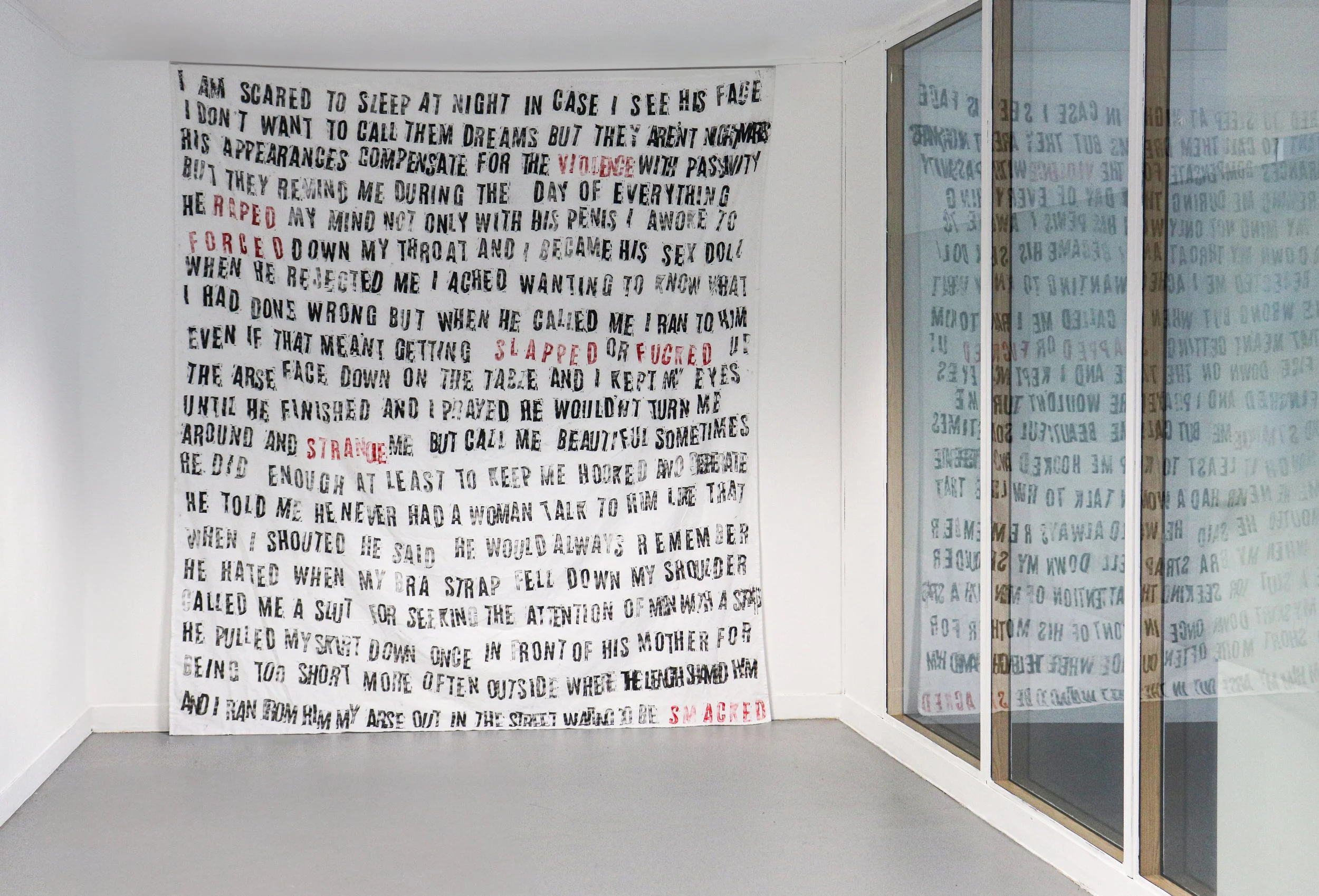
Anya Naumovic
Mine, lino print on bed sheet, 2021
-
![]()
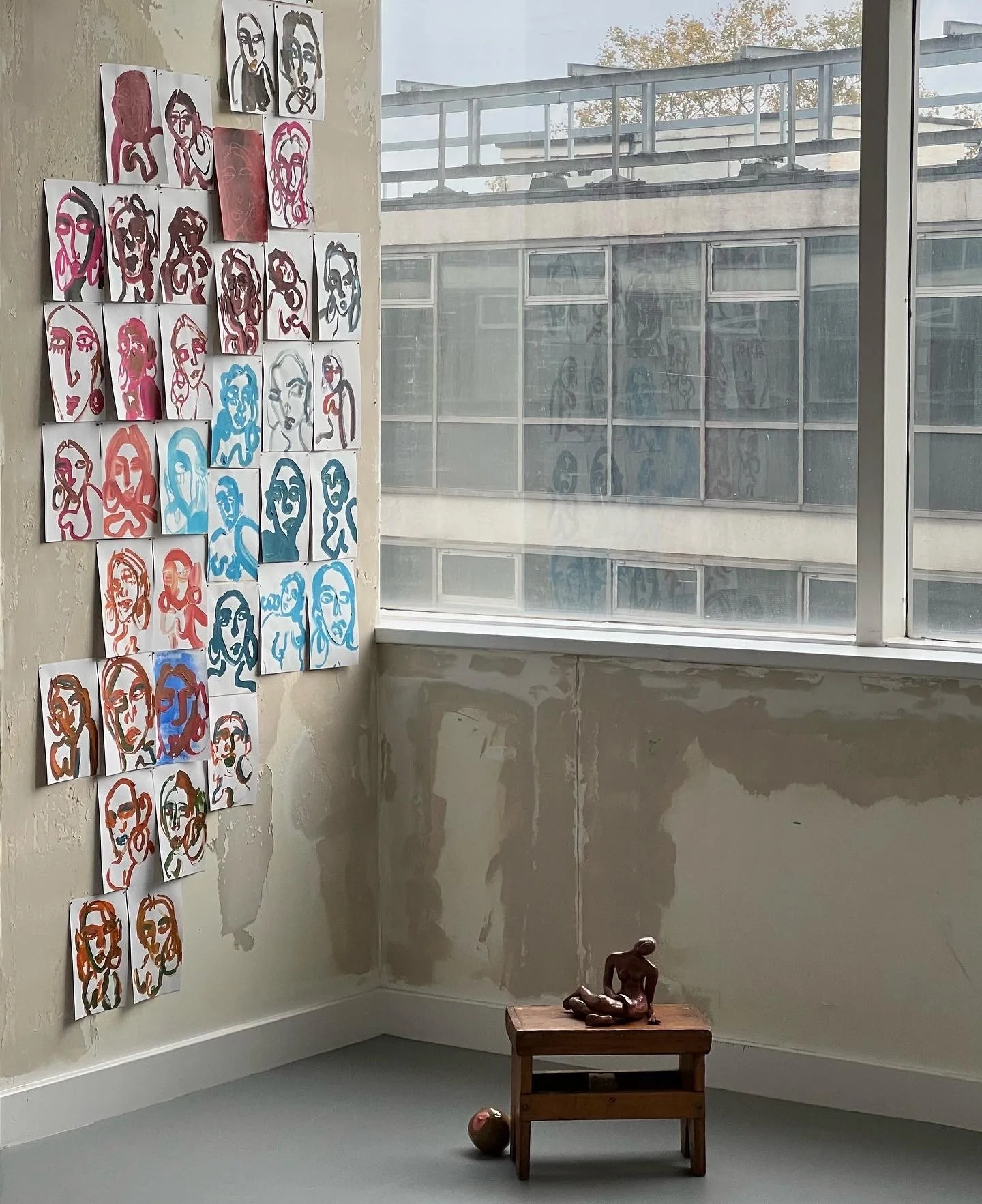
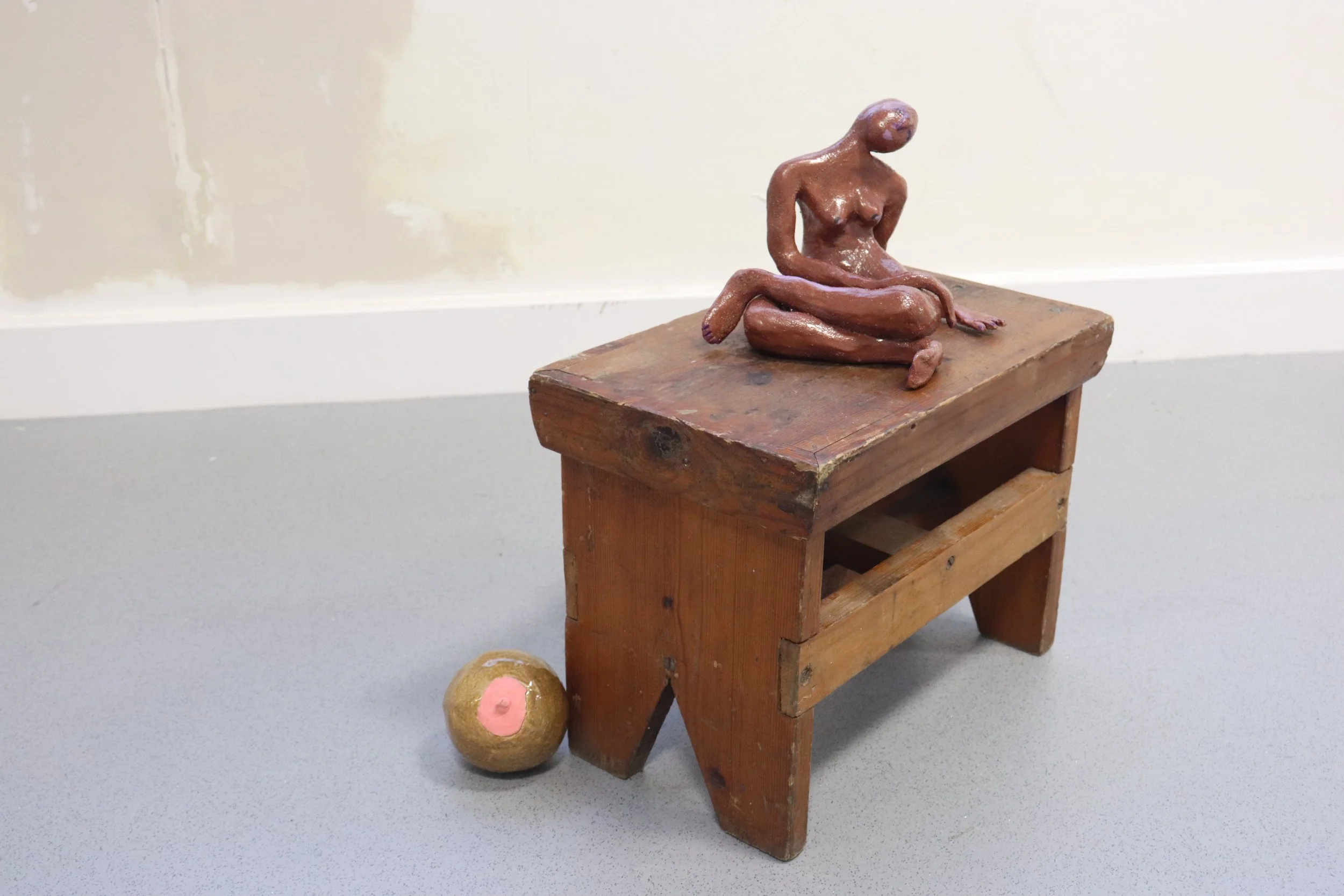
Mays Al Moosawi
Faces Unveiled, glazed ceramic, 2023
-
![]()
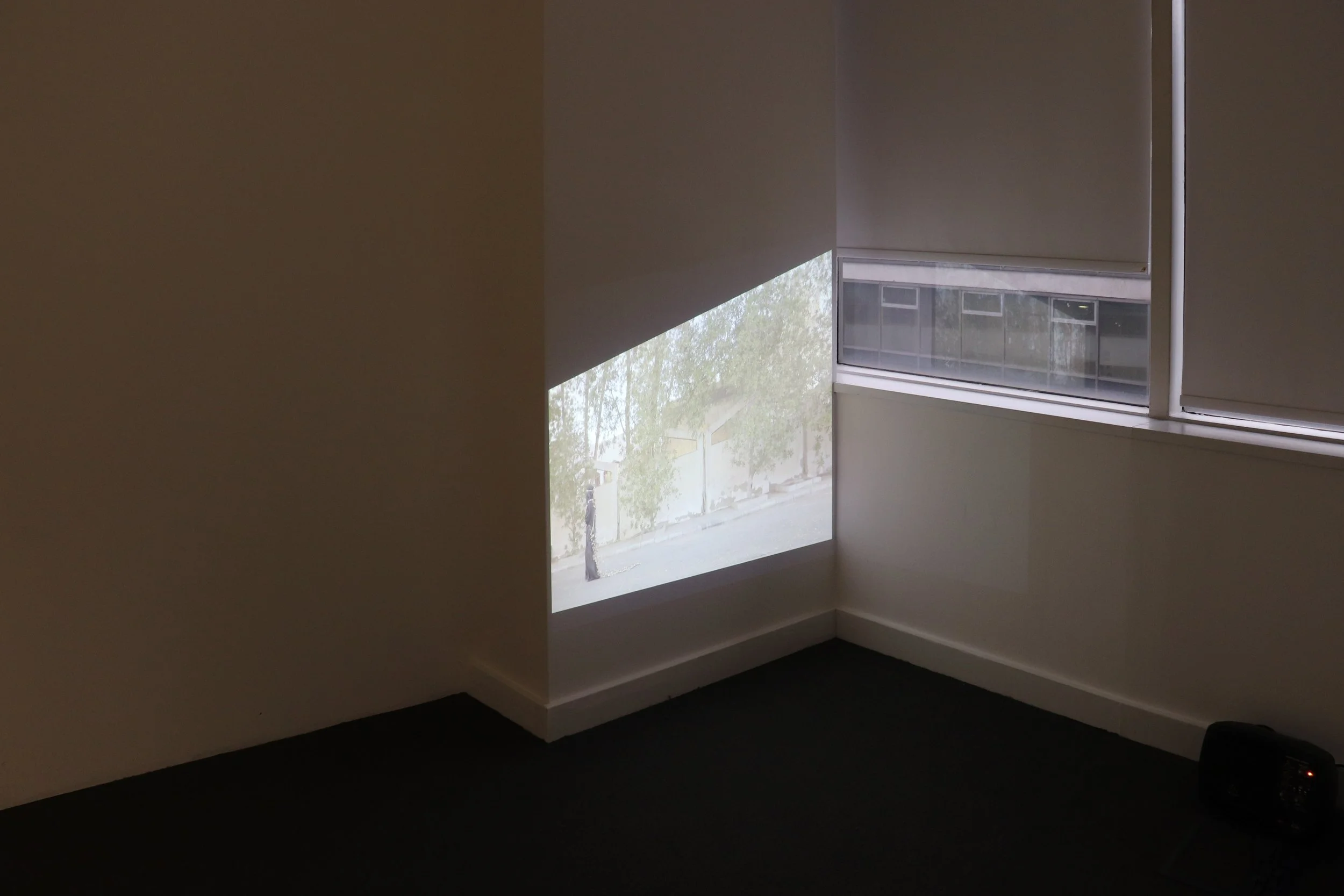
Joud Fahmy
Invisible Woman, video, duration 4:21, 2023
Mother Tongue: Artist Spotlight
Mother Tongue: Artist Spotlight
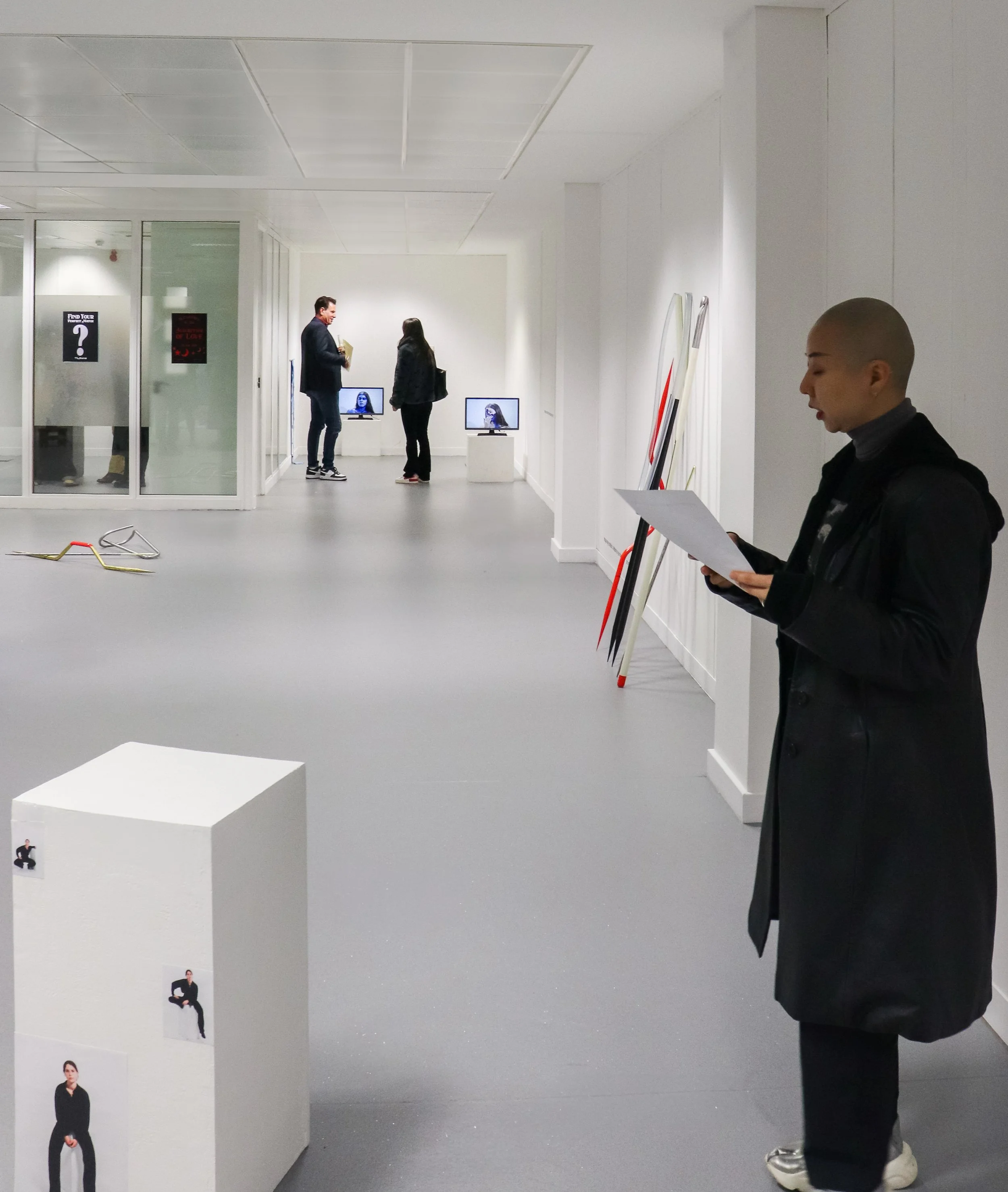
Makiko Harris
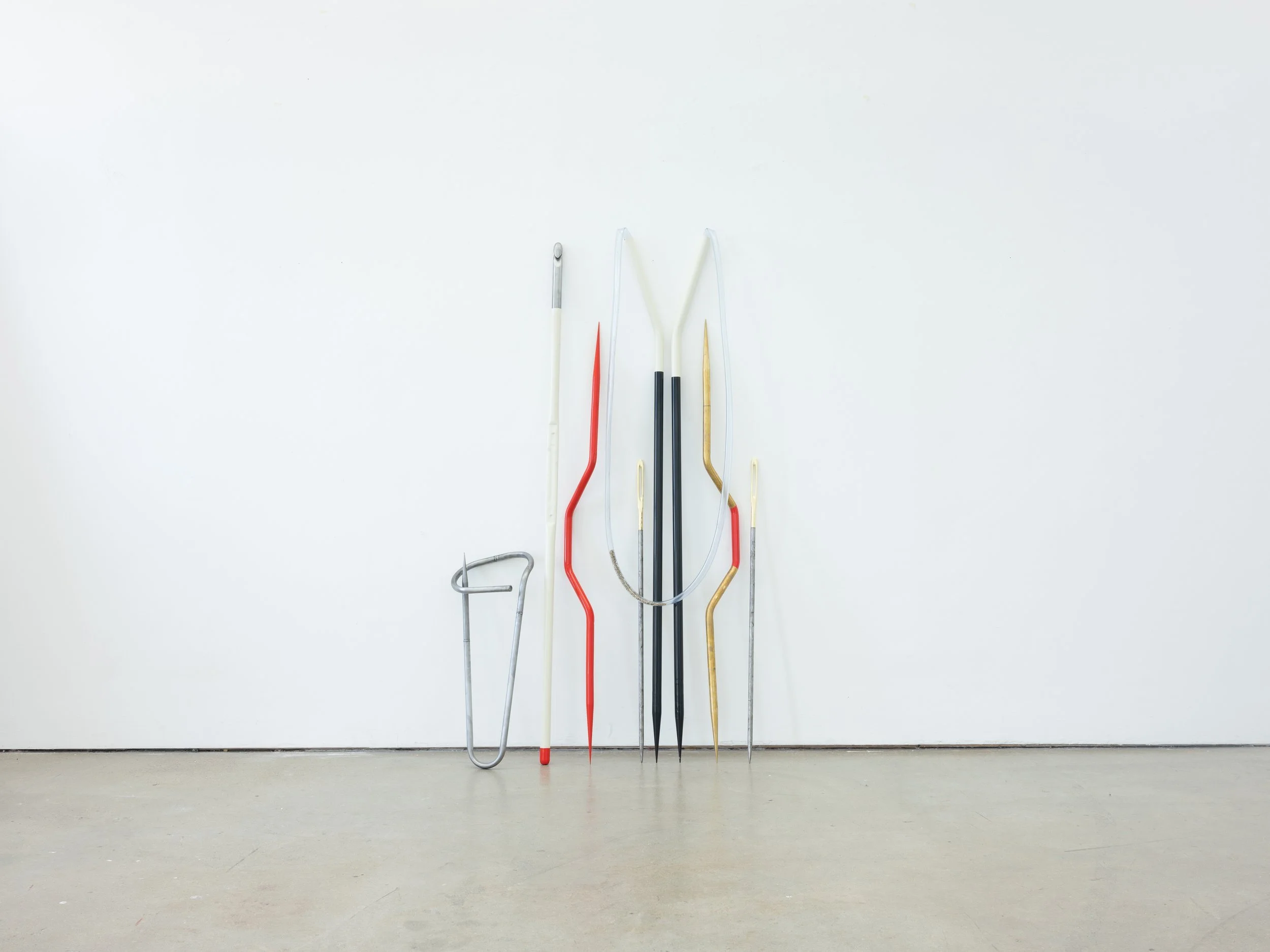
Needle Series, brass and steel, 2023
Needle Series transforms the quiet intimacy of domestic labour into a charged, embodied language. Drawing from the legacy of her Japanese grandmother, Harris enlarges sewing and knitting tools to monumental scale, recasting them as both carriers of memory and instruments of assertion. What once functioned as delicate extensions of care and craft become sharpened, almost confrontational forms,suggesting that the gestures historically assigned to women’s hands hold an unspoken, yet potent voice.
Within Mother Tongue, these works speak to the body as a site where language is both suppressed and rearticulated. Harris reveals how expression can reside not in words, but in repetitive, tactile acts—stitched, threaded, and held in the muscle memory of the hands. By shifting scale and material, she disrupts the perceived softness of femininity, proposing instead a language that is assertive, precarious, and at times even violent. In doing so, Needle Series reframes feminine labour as a powerful, if historically overlooked, form of communication, one that resists silence and insists on being felt.
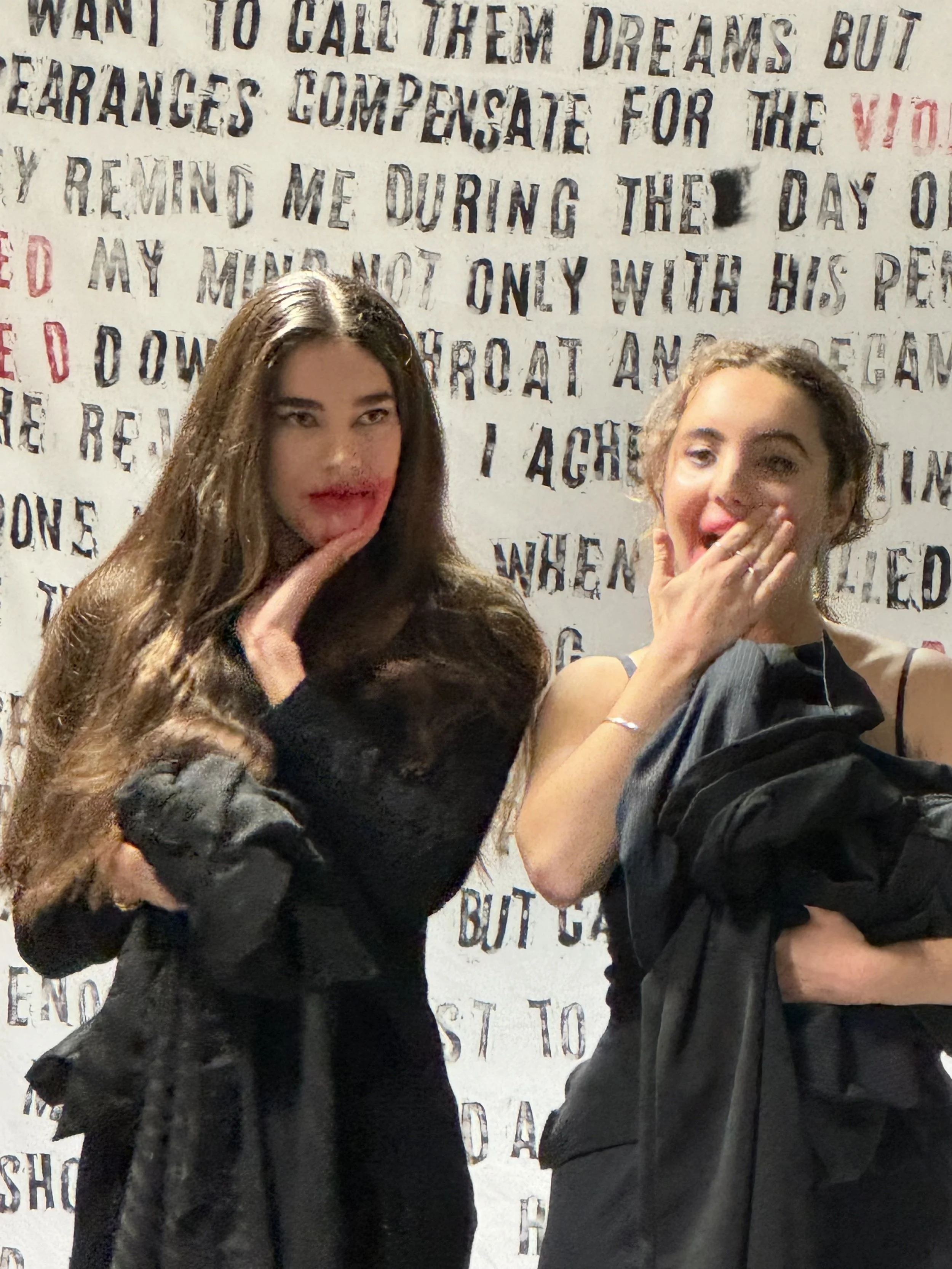
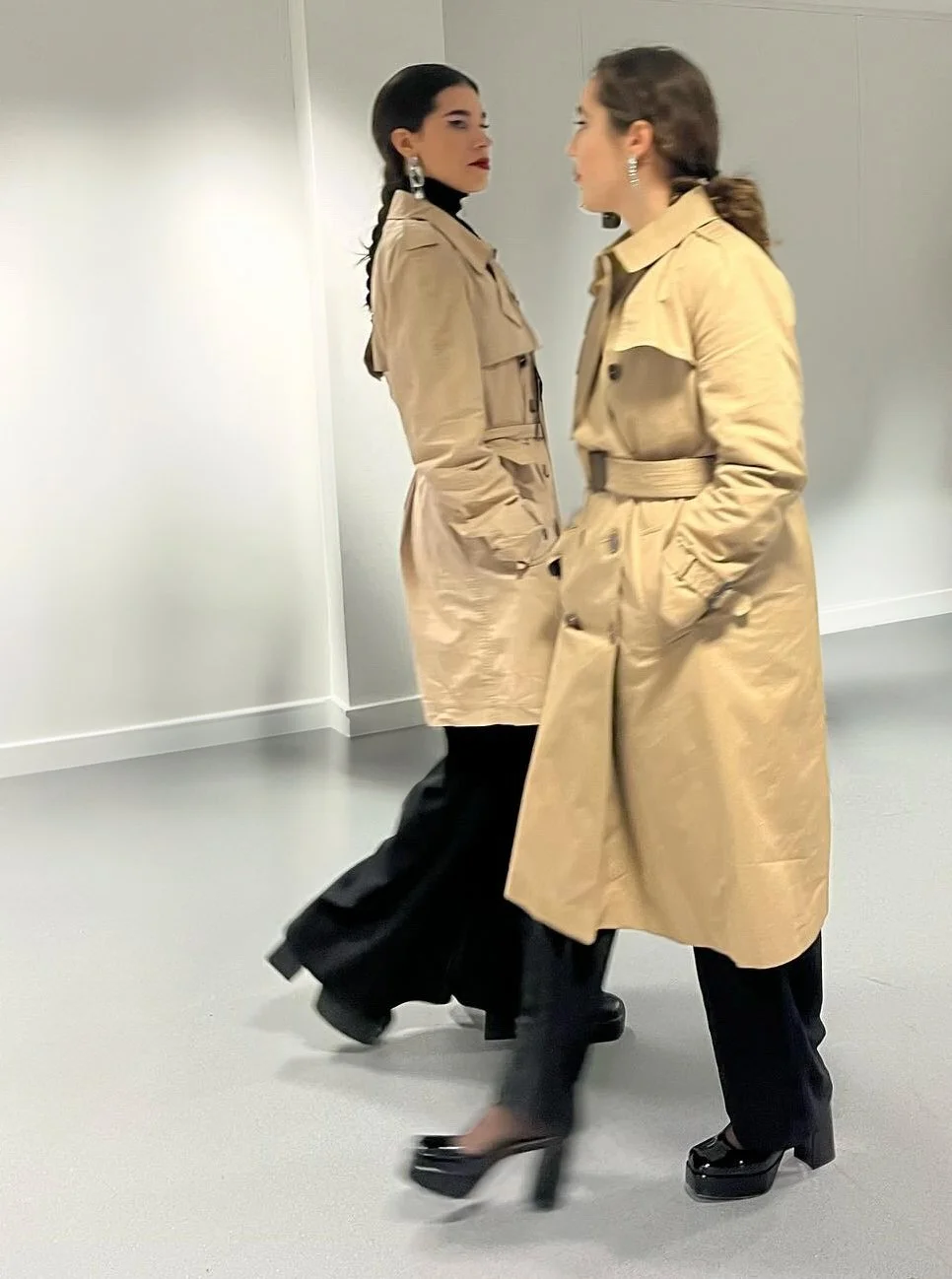
Mila Fernandez and Hannah Dowling
The performance My Body Your Gaze unfolded as a live intervention that activated Mother Tongue at its core, shifting the exhibition from a space of observation into one of embodied encounter. Moving amongst the audience, their presence dissolved the boundary between viewer and work, placing the body at centre stage. Through a minimal, improvised score of walking, looking, and gradual undressing, the performance exposed the quiet yet pervasive power of the gaze, how it inscribes meaning onto the female body before any words are spoken.
Within the context of Mother Tongue, the piece operated as a living language: one composed not of text or speech, but of gesture, duration, and proximity. The performers’ actions made visible the unspoken codes that shape how women inhabit their bodies—oscillating between vulnerability, resistance, and control. As the audience became implicated in the act of looking, the work transformed passive viewing into active participation, asking each viewer to confront their own position within these dynamics.
In this moment, language was stripped back to its most immediate form—the body itself. Dowling and Fernandez created a shared, temporal “mother tongue,” one that emerged collectively in the space between performer and audience. Through this, the performance not only reflected the exhibition’s themes but intensified them, reclaiming the body as both site and speaker, and asserting its power to challenge, disrupt, and redefine the structures that seek to contain it.
My Body, Your Gaze Performance, 2023
-
![]()
Mother Tongue: Bodies Beyond Words
Exhibition opening, Milbank Tower, London, 2023
-
![]()
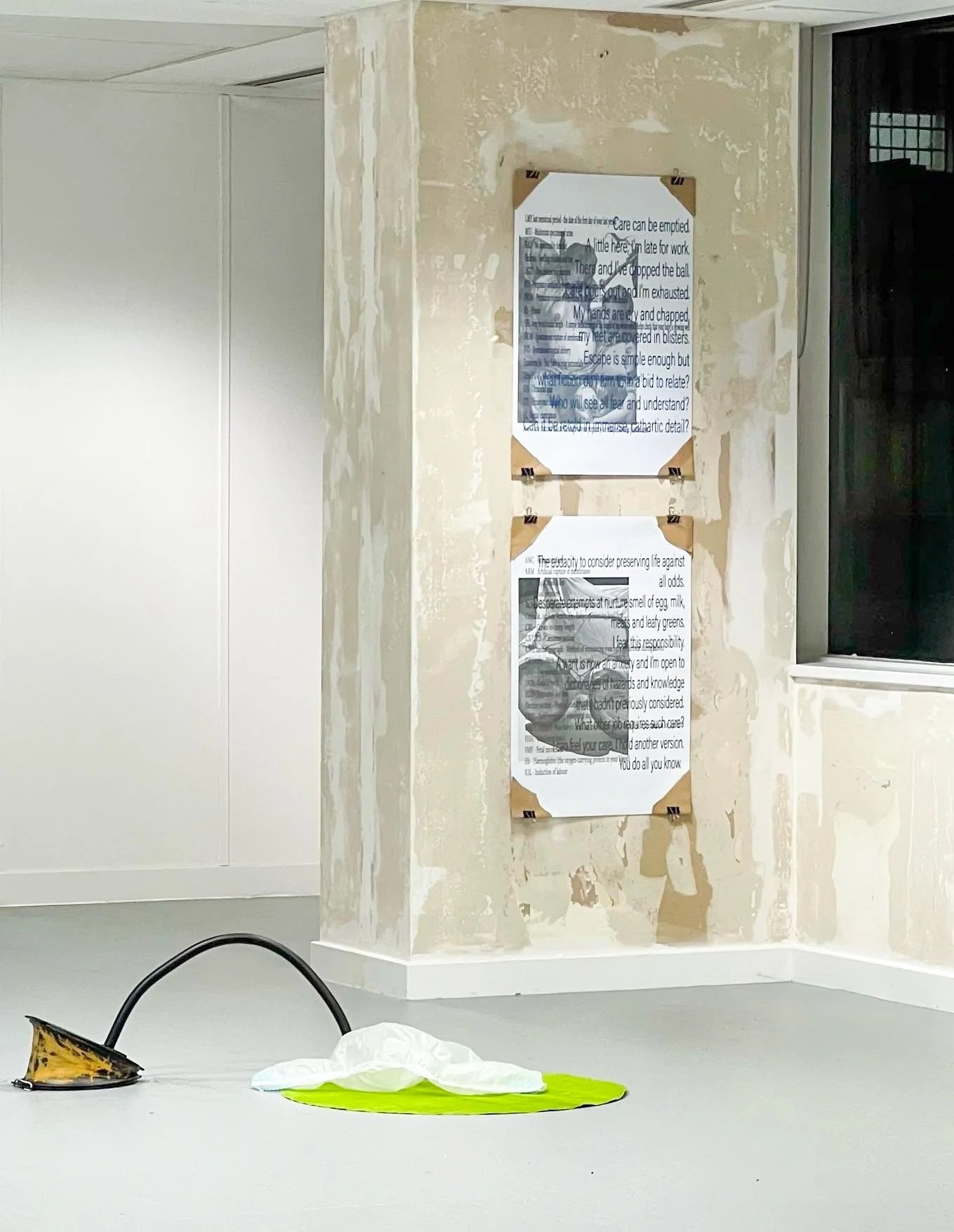
Installation View
Left: Do you like It like that byHannah Kay, Plastic, thread, lace, foot pump, 2023
Right: The birth (top), The pram (bottom) by Deb Fitch-Daniels, poster, 2023
-
![]()
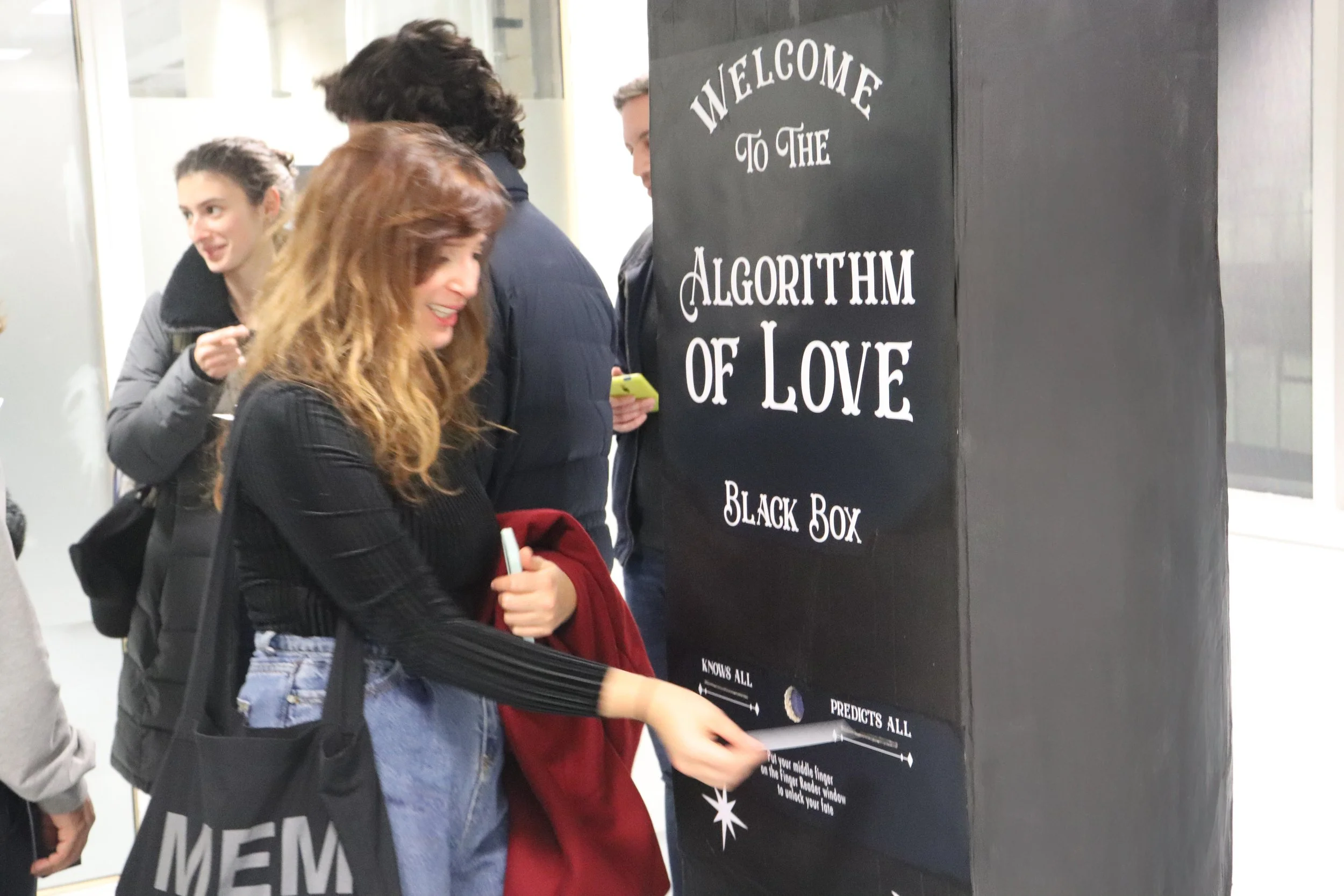
Mother Tongue: Private View
Audience interaction with Algorithm of Love by Yao Yichun
-
![]()
Miya K Mawatari
Interior of Genkan installation
-
![]()
Mays Al Moosawi
Faces Unveiled, acrylic on paper, glazed ceramic, 2023
-
![]()
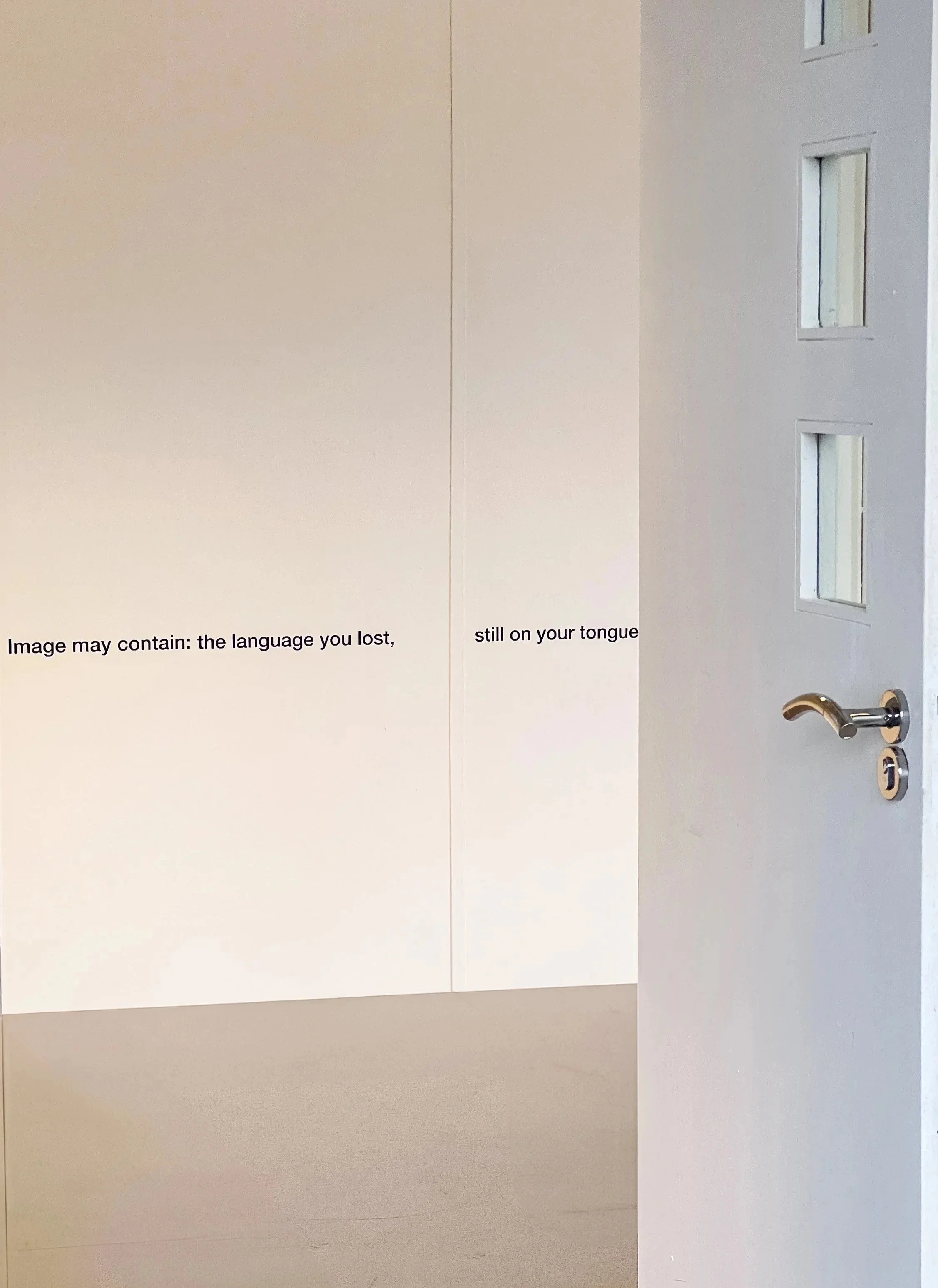
Katrina Regino
Image may contain: the language you lost, still on your tongue, Vinyl, 2023
-
![]()
Mila Fernandez and Hannah Dowling
My Body, Your gaze performance